Eating Well After Moving Abroad: A Practical First-Month Guide
The first month in a new country is rarely about perfect nutrition. It is about finding a few reliable meals, a shop you understand and a rhythm that feels like yours again.
9 min read

Why food feels harder in a new country
Moving abroad changes almost everything that used to make eating easy: the shop you knew by heart, the brands you trusted, the hours you ate, even the words on the label. Decisions that once took seconds suddenly take minutes, and tired evenings end with whatever is quickest.
That is normal, and it is temporary. The goal for the first month is not to eat 'perfectly' — it is to rebuild a small set of defaults you can rely on while everything else settles.
Week 1: map your food landscape
- Find one large supermarket and one small local shop within walking distance.
- Walk every aisle once without a list, just to learn where things live.
- Note the opening hours — many countries close earlier, or on Sundays.
- Look for an international or world-food aisle; it often hides familiar staples.
- Locate a weekly street market for cheaper fruit and vegetables.
Week 2: build five 'anchor' meals
Pick five meals you can make with ingredients you have already found locally. Think of them as anchors: a breakfast, two lunches and two dinners you could cook half-asleep.
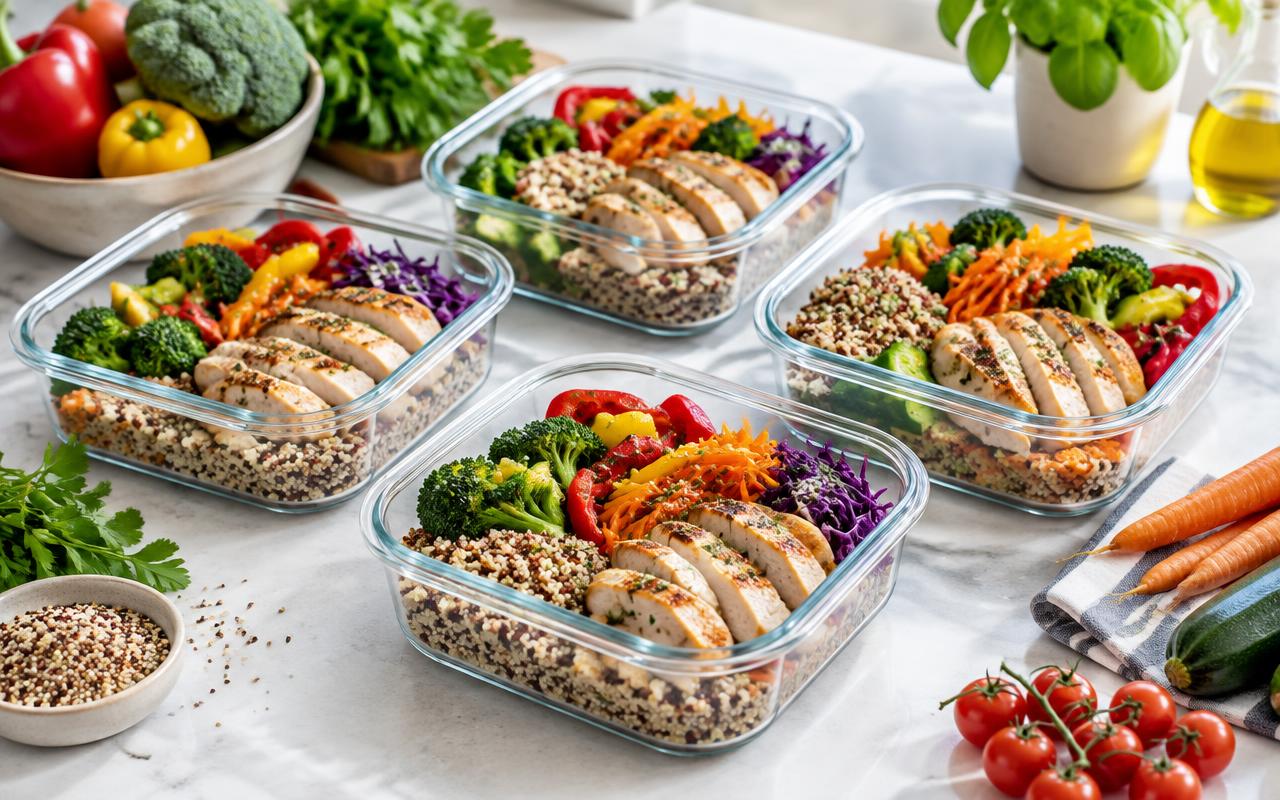
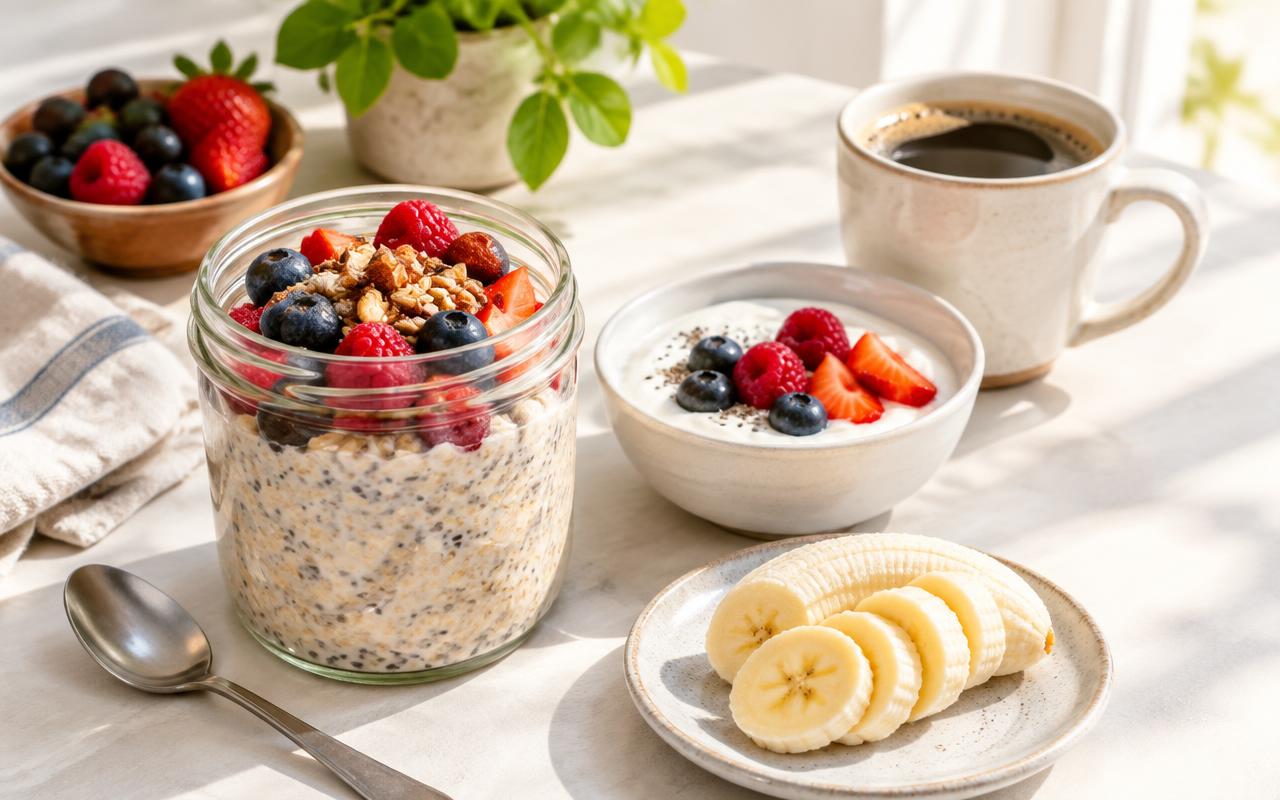
A good anchor meal combines something filling (rice, bread, potatoes, pasta, oats), a protein (eggs, beans, lentils, chicken, fish, tofu, yoghurt) and at least one vegetable or fruit. Rice, beans and a simple salad counts. So does an omelette with toast and tomatoes.
Learning to read local labels
Labels differ by country, but most show energy per 100 g, fat, sugar, salt and an ingredient list in order of quantity. Comparing the per-100 g column is the quickest way to compare two similar products, whatever the language.
If the language is new, a phone camera translation app handles ingredient lists well. Allergen information is usually highlighted in bold or listed separately — always check it carefully if you have an allergy, and ask staff when unsure.
Week 3: bring a taste of home back
Familiar flavours matter more than people expect. One home-style meal a week can make a new place feel much less foreign. Many staples have close local equivalents: cassava and plantain in African or Caribbean shops, black beans in Latin American aisles, frozen açaí or cheese-bread mixes in specialist stores.
When the exact ingredient is impossible to find, cook the dish in spirit: the same seasoning, the same way of sharing it, adapted to what the local shop sells.
Week 4: a rhythm you can keep
- Plan the week's dinners in five minutes on Sunday.
- Shop once with a list, then top up fresh items midweek.
- Cook a double portion twice a week for easy lunches.
- Keep a 'tired night' backup: eggs, wraps, frozen vegetables, tinned beans.
- Keep a bottle of water visible — new climates and heating can be drying.
Be kind to yourself
Adapting to a new country takes energy, and food is one place you can make life easier rather than harder. Simple, repeatable meals are not a compromise — they are what frees up attention for everything else you are learning.
AttivaGo suggests everyday meals based on the country you live in and the language you speak, so you can see local options alongside familiar ones while you settle in.
6 November 2026 · Published by the AttivaGo team.